You make the art.
We help you see it.

Torn paper edge divider transitioning from black to off-white

ArtSensei gives real feedback.

Most people don't know how to talk about visual art. ArtSensei does. It's built by artists who studied or taught at SAIC, Yale, NYU, NYAA, RISD, and MICA. Troubleshoot a painting. Rethink a composition. Consider a new direction. It remembers your work, your taste, and your goals.

Learn faster.

Have in-depth conversations about your art with context from art history.

Show your work

Snap a photo, point your camera, or upload an image.

Get thoughtful critique

Real feedback with references from art history.

Talk it through

Ask for more. Push back. It's a conversation, not a report.

See more. Learn more.

Think with your brush.

Vollon, Still Life with Cheese — loaded, juicy brushworkAntoine Vollon

Move your viewer's eye.

Go deep into color.

“I love the app; I feel confident. It’s positive and gives me clear examples.”

— Caroline M.

By invitation.

Drop your email below. Early list, early access.

We do not use your images for training.

Corot, A Woman Gathering Faggots at Ville-d'Avray, ca. 1871–74. Silvery landscape with trees framing a distant house.
Corot
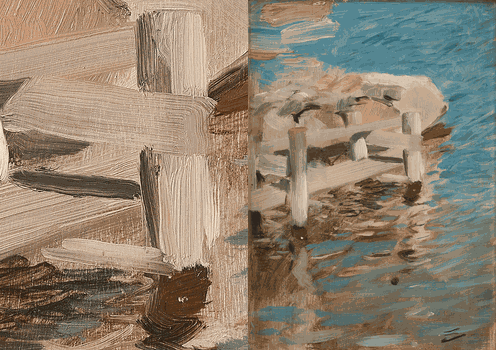
Zorn, water reflections study. Oil painting alternating between original and markup showing wet-in-wet technique for fluid, luminous surface effects.
Zorn
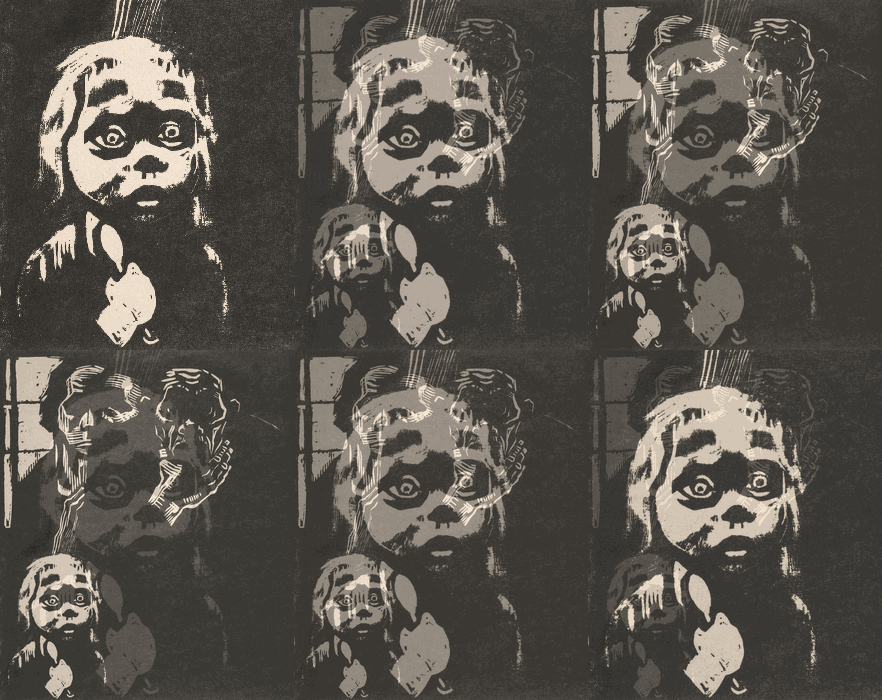
Kollwitz, Proletariat: Out of Work, 1909. Woodcut alternating between original and markup showing visual hierarchy through tonal contrast across three figures.
Kollwitz
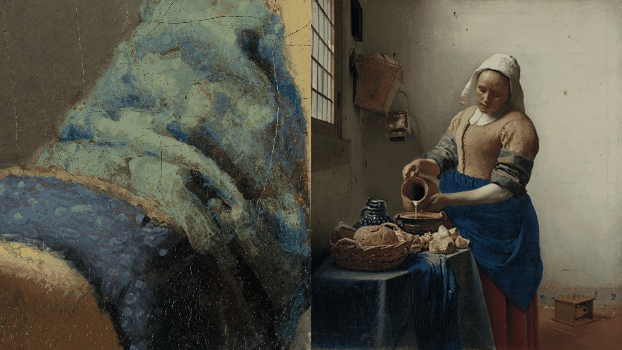
Vermeer, The Milkmaid, c. 1658–61. Alternating between the full painting and a detail of the ultramarine glazing technique on the blue apron.
Vermeer
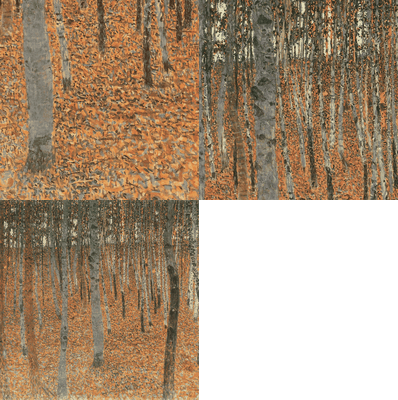
Klimt, Beech Grove I, 1902. Alternating between the painting and markup showing uniform texture structure across trees, foliage, and ground.
Klimt
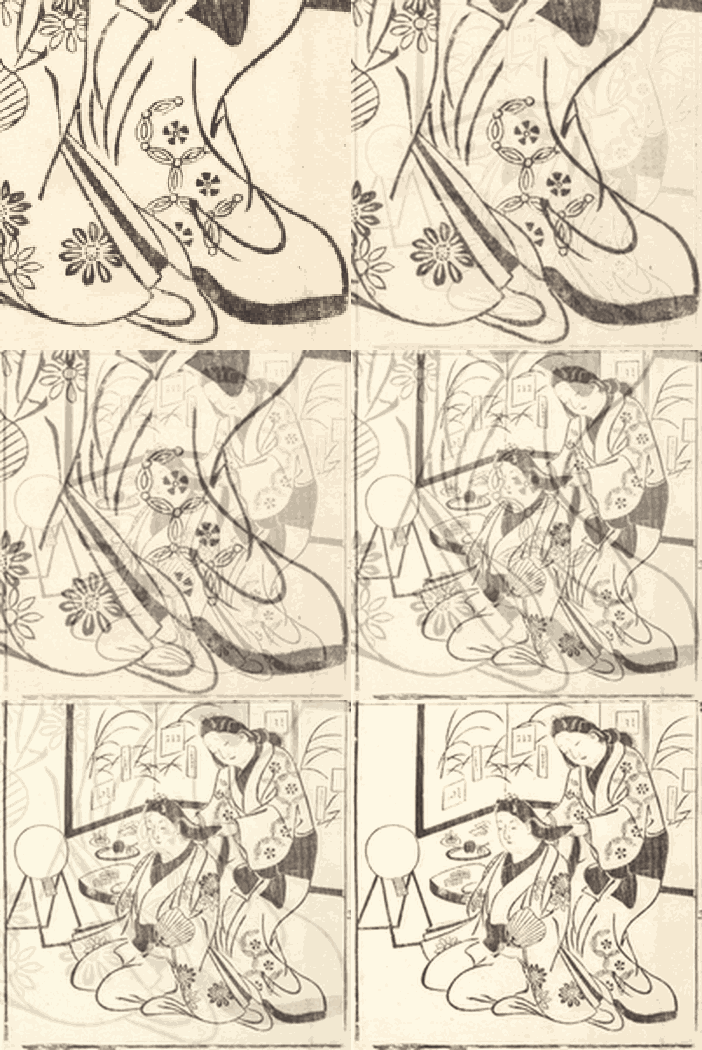
Moronobu, One Hundred Japanese Women, Edo period. Woodblock print alternating between original and markup showing kimono shapes doubling and mirroring each other.
Moronobu
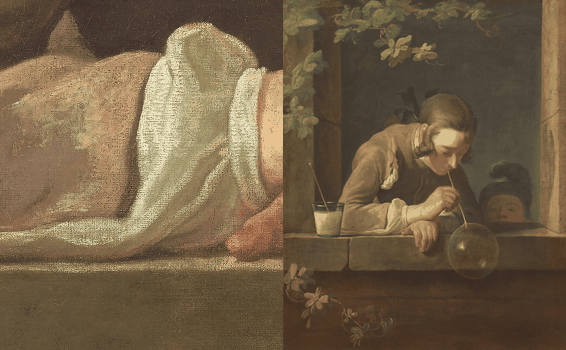
Chardin, Soap Bubbles, 1733. Oil painting alternating between original and markup showing wet-on-dry layering technique in the boy's jacket and shirt.
Chardin
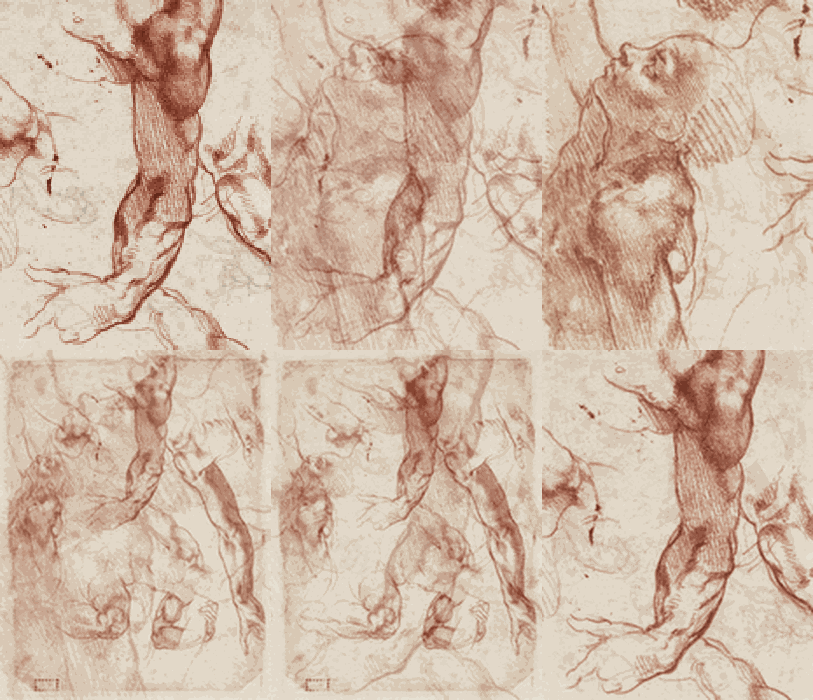
Michelangelo, figure studies for The Creation of Adam, 1511. Red chalk drawing alternating between original and markup showing hierarchical line weight across muscle groups.
Michelangelo
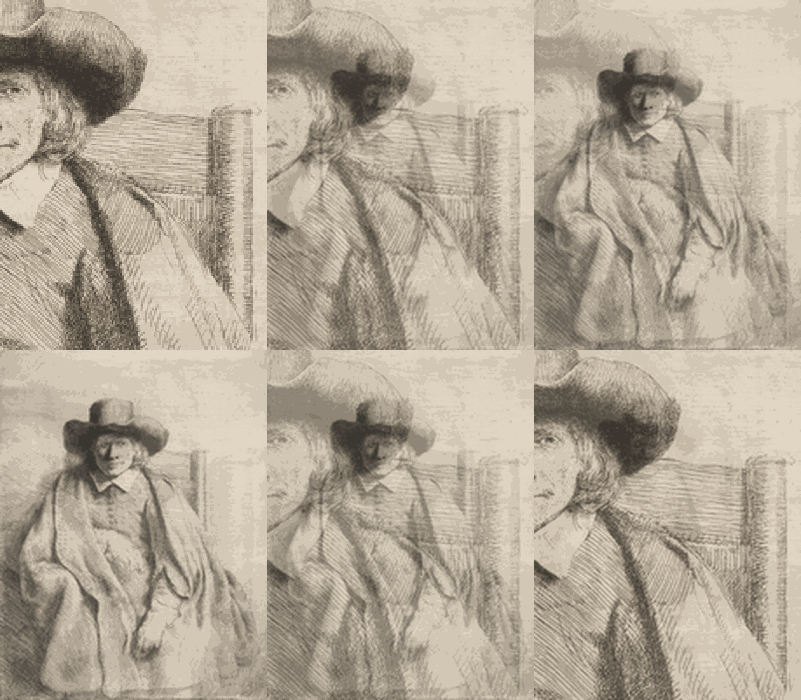
Rembrandt, Clement de Jonghe, Printseller, 1651. Etching alternating between original and markup showing hatching that follows surface contours of hat and clothing.
Rembrandt
Hilma af Klint, The Swan No. 1, 1914–15. Black and white swans interlocking as figure-ground shape structure.
af Klint
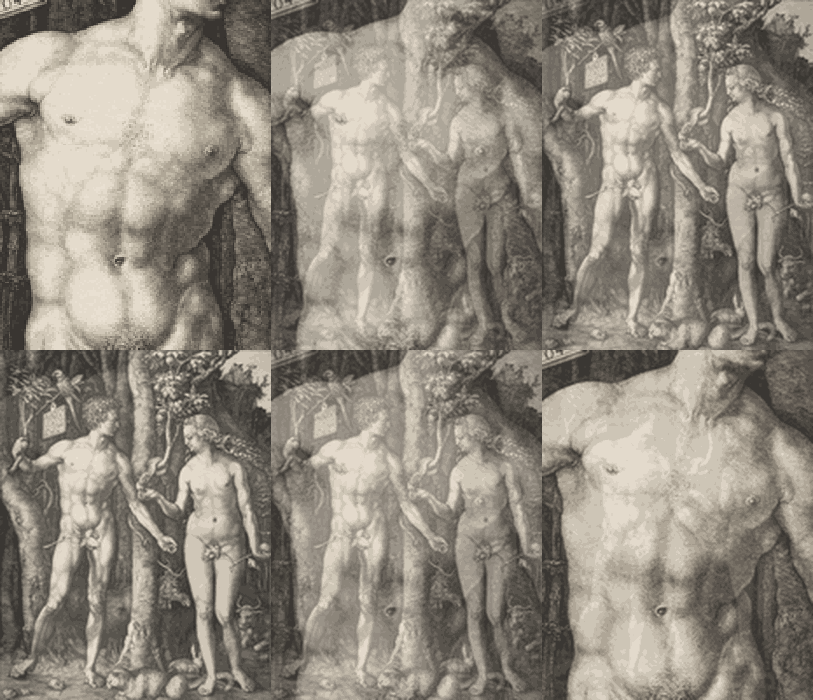
Dürer, Adam and Eve, 1504. Engraving alternating between original and markup showing edge definition through varying line weight at silhouettes and interior forms.
Dürer
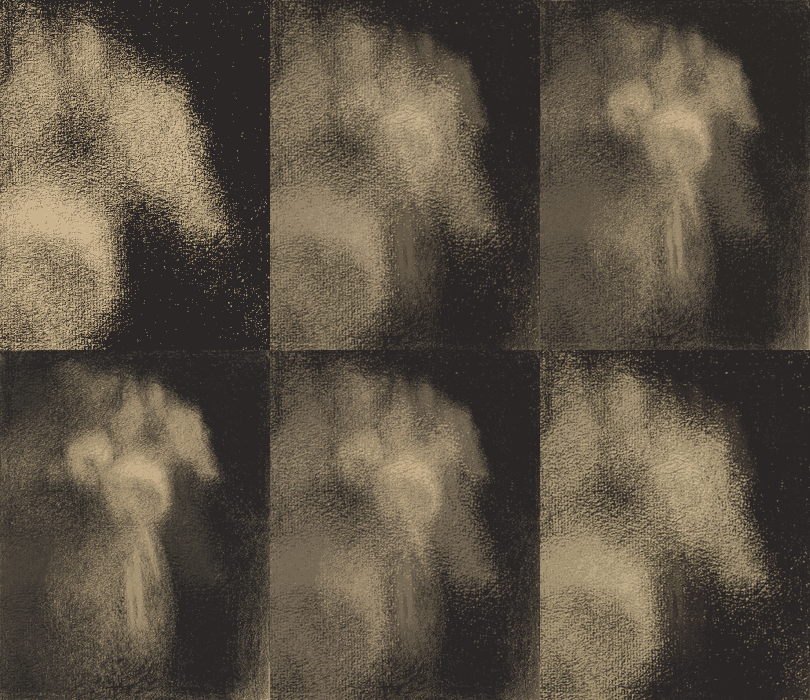
Seurat, Roses in a Vase, 1881–83. Conté crayon drawing alternating between original and markup showing stumping and blending techniques that model delicate tonal transitions.
Seurat
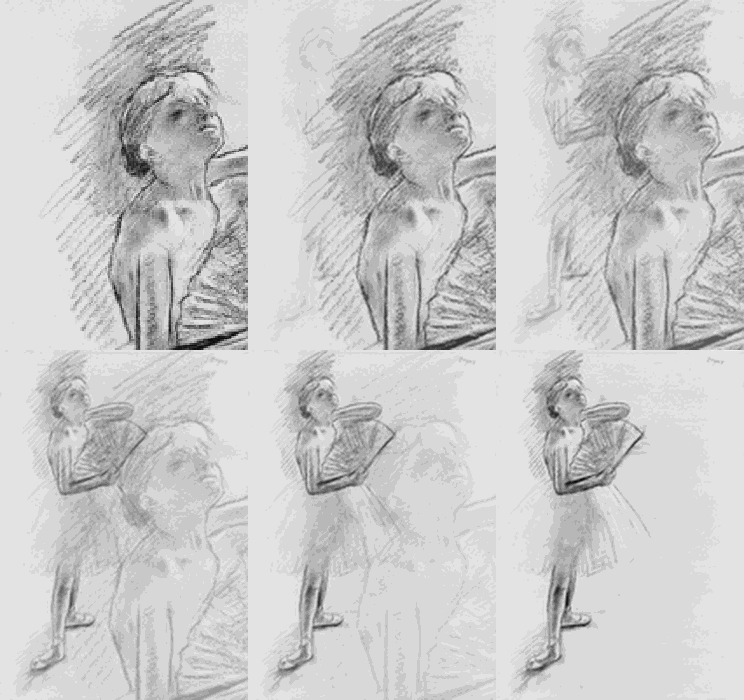
Degas, The Dance Class, 1874. Alternating between the painting and markup showing how red accents create directional color movement through the composition.
Degas
Mondrian, Composition 10 in Black and White, 1915. Black lines on white ground forming a cruciform grid structure.
Mondrian
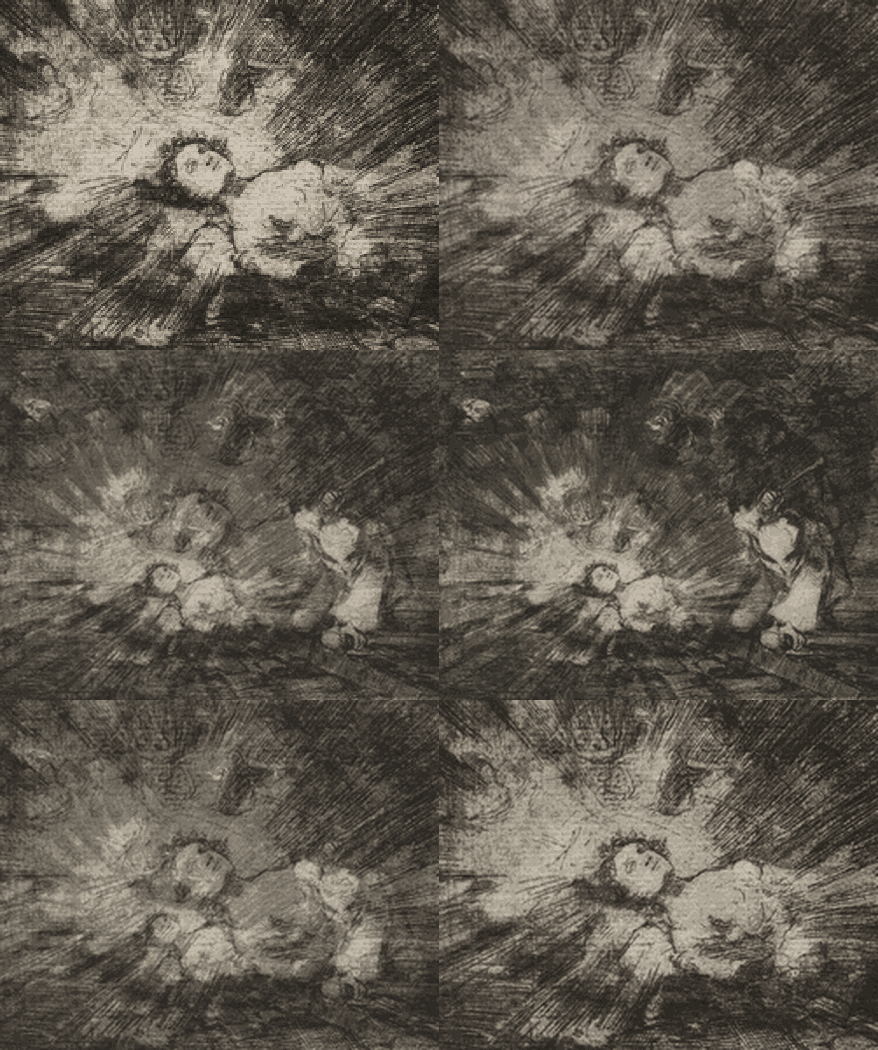
Goya, The Horrors of War: Will She Rise Again?, etching. Alternating between original and markup showing dramatic mood through deep tonal contrast and symbolic illumination.
Goya

See your work differently.

Openings are limited. Drop your email and we'll invite you in soon.